
A Pocket Reset for Caregivers Heading Into Fall
# A Pocket Reset for Caregivers Heading Into Fall
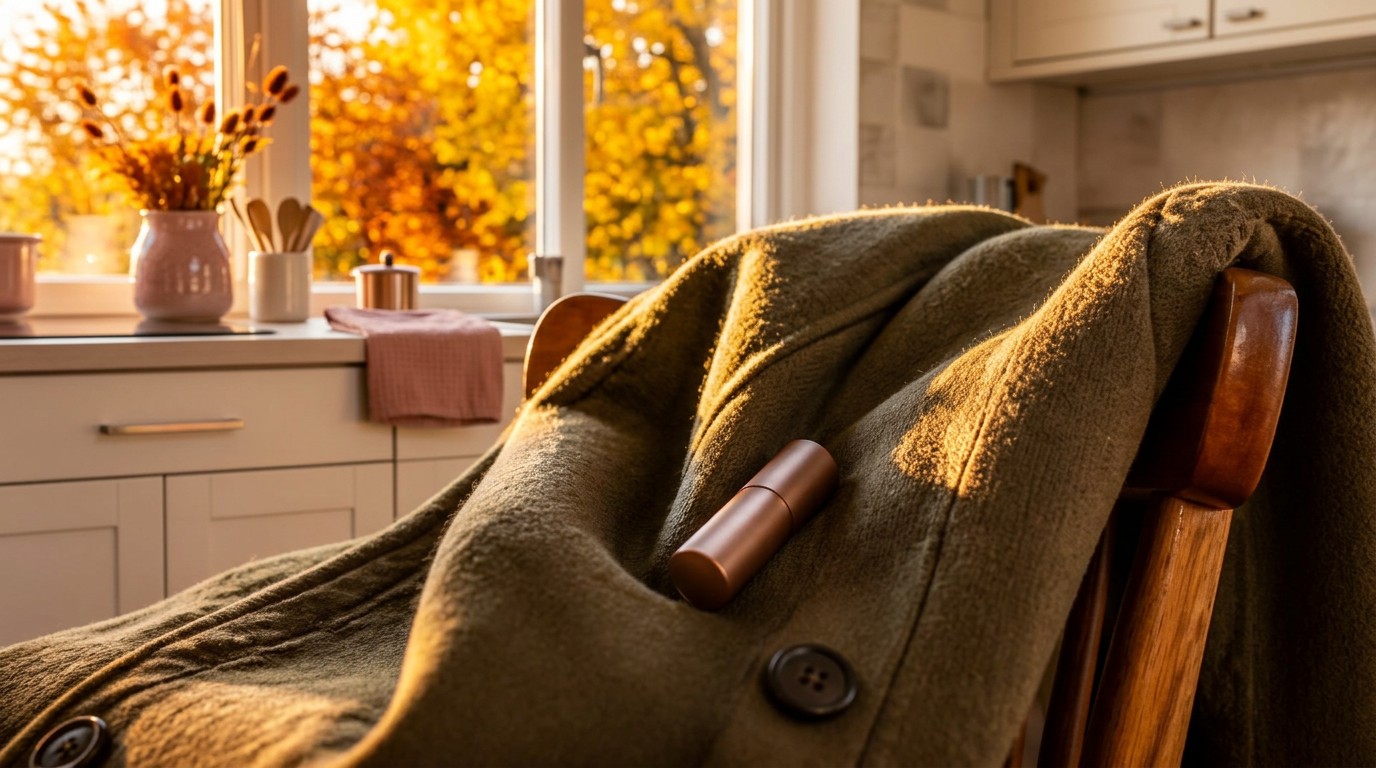
The season changes. Caregiving does not. September arrives with cooler air and shorter days, and the person you care for still needs you, the same as August, the same as March. You do not get a fresh start just because the calendar does. What you do get is a coat pocket, and that is enough to carry one small reset into the weeks ahead.
Tuck a personal inhaler into that pocket. One slow breath before you walk back in. One short line of faith to steady yourself. That is the practice. It fits inside the season without asking anything extra from you.
Why does fall feel harder for caregivers even when nothing has changed?
The shift is real, even when the caregiving situation stays the same. Less daylight means less of the incidental rest that summer offers, a few minutes on a porch, a window open, a walk to the car in warm air. Fall closes some of those small gaps without announcing it.
Caregivers who are already stretched thin often feel the season change before they can name it. Fatigue that felt manageable in July can feel heavier by October, not because anything went wrong, but because the small reprieves quietly disappeared.
A personal inhaler does not replace those reprieves. It gives you something to reach for when they are gone.
What does the pocket reset actually look like?
This is not a new ritual. It is a smaller version of the five-minute reset, sized for a coat pocket and a cold morning.
- Before you leave the car or step through the door, pull out the inhaler.
- Hold it about an inch below your nose. Not pressed against it. An inch away is enough.
- Take one slow breath in through your nose. Let it be unhurried, even if the moment is not.
- Exhale slowly through your mouth.
- Say one short line. Something like: "His mercies are new every morning." Or simply: "Lord, go with me."
- Cap the inhaler and put it back in your pocket.
That is it. Thirty seconds, maybe less. The full five-minute version, including the breath prayer steps, is in the February post on faith and aromatherapy. Start there if you want the longer practice. Come back here when thirty seconds is all you have.
Which oils work well for a fall reset?
You do not need a new blend for a new season. The oils already covered in this blog hold up through fall just as well.
- Cedarwood for grounding on a gray morning when the day feels heavy before it starts
- Lavender for winding down after a long evening shift
- Sweet orange for a gentle lift that does not feel forced
If you already have an inhaler blended for stress or calm, keep using it. The pocket practice works with whatever you are already carrying. If you want to build a small kit or replace a blend that has passed its three-month mark, the products page has personal inhalers sized for a coat pocket or a bag.
Is a personal inhaler safe to use around seniors or anyone with asthma?
A personal inhaler is the right tool for shared spaces precisely because it keeps the scent contained. When you cap it after each use, the aroma stays with you, not in the room. No one else breathes it unless they choose to.
A few guardrails worth keeping in mind as the windows close and indoor air gets more enclosed:
- Do not switch to a diffuser in shared spaces. Diffused scent fills a room and reaches everyone in it, including someone with asthma, COPD, or a scent sensitivity who never agreed to it. A capped inhaler puts the choice in your hands, not the air.
- Ask before you diffuse anywhere else lives, especially seniors. Aging lungs and sensitive airways react differently than they used to.
- If you or the person you care for has asthma, a respiratory condition, or takes medications with known interactions, check with a healthcare provider before building any new scent habit. The June post on aromatherapy safety for caregivers and seniors covers this in more detail.
This practice is education and encouragement. It is not medical advice, and it is not intended to diagnose or treat any condition.
What if I forget the inhaler or do not have one yet?
The breath still works without it. One slow inhale through your nose, one slow exhale through your mouth, one short line of faith. The inhaler adds a sensory anchor that can help the nervous system settle faster, but the breath and the prayer are the practice. The inhaler is the tool.
If you want to start with something free before you order anything, the free resource includes a breath and scent guide you can use right now. The Cherished Caregiver Circle is also there if you want to do this alongside other caregivers who are heading into fall the same way you are, tired, faithful, and still showing up.
One more thing before you go back in
Fall does not ask caregivers for anything new. It just asks you to keep going with less light and fewer open windows. A coat pocket is a small thing to work with. So is one breath, one line, one moment before the door opens.
You are allowed to take that moment. That is not selfishness. It is stewardship.
If the days ahead feel heavier than a pocket reset can hold, the events page has upcoming gatherings built for exactly that, and booking is there if you want to talk through a personalized blend or a practice that fits your specific season.
---
Dear friend, I pray that you may enjoy good health and that all may go well with you. 3 John 1:2 NIV
Blessings 💜 Sandy
Want the next one in your inbox?
Join the list for a short note from Sandy most weeks, with one small ritual you can use.